How to Identify Signs of Wear in Luxury Timepieces
Luxury timepieces are more than just instruments for telling time; they are investments that require careful attention and maintenance. Understanding how to identify signs of wear can help you preserve the integrity and value of your watch over the years.
Understanding the Basics of Wear and Tear
Luxury watches, often made with intricate mechanisms and premium materials, are susceptible to wear and tear due to regular use. According to industry experts, common factors that contribute to this wear include exposure to moisture, dust, and various environmental conditions. Recognizing these factors can help in identifying potential issues early, allowing for appropriate maintenance.
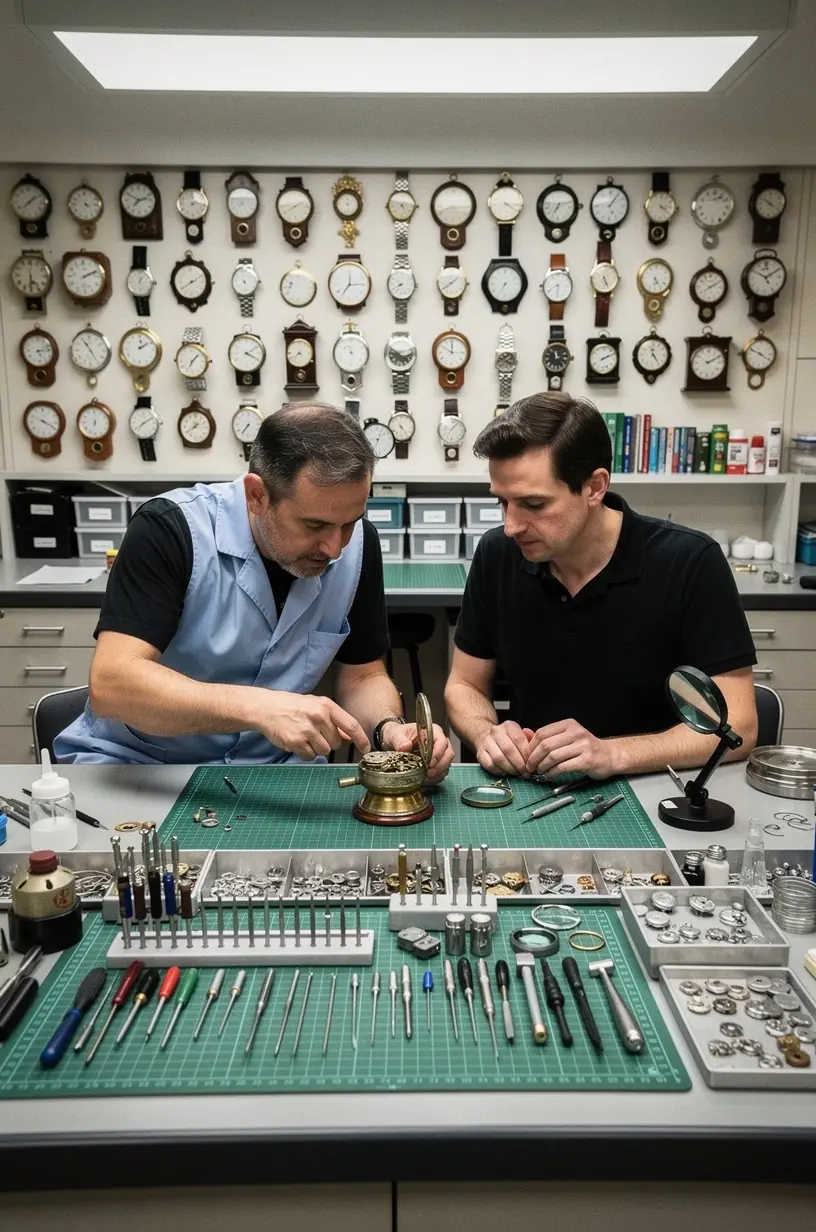
"Regular maintenance is vital to ensure the longevity and performance of your luxury watch."
Common Signs of Wear
Many users report noticing specific signs that indicate their luxury timepiece may be due for maintenance. Here are some of the most common signs to look for:
- Scratches and Dents: While minor scratches can be polished out, deeper scratches on the crystal or casing may require professional attention.
- Loss of Accuracy: If your watch frequently deviates from the correct time, this could indicate a need for precision tuning. Studies show that mechanical watches may lose or gain time due to wear in the movement.
- Water Resistance Failures: If water has entered the case, it can cause significant damage. If the watch shows signs of condensation or moisture under the crystal, immediate servicing is recommended.
How to Assess Your Watch's Condition
To effectively assess the condition of your luxury watch, consider the following steps:
- Visual Inspection: Regularly inspect your watch for visible wear such as scratches or corrosion. Pay special attention to the crystal and case back.
- Performance Check: Monitor its accuracy by comparing it to a reliable time source. Note any discrepancies over a week to get an accurate picture.
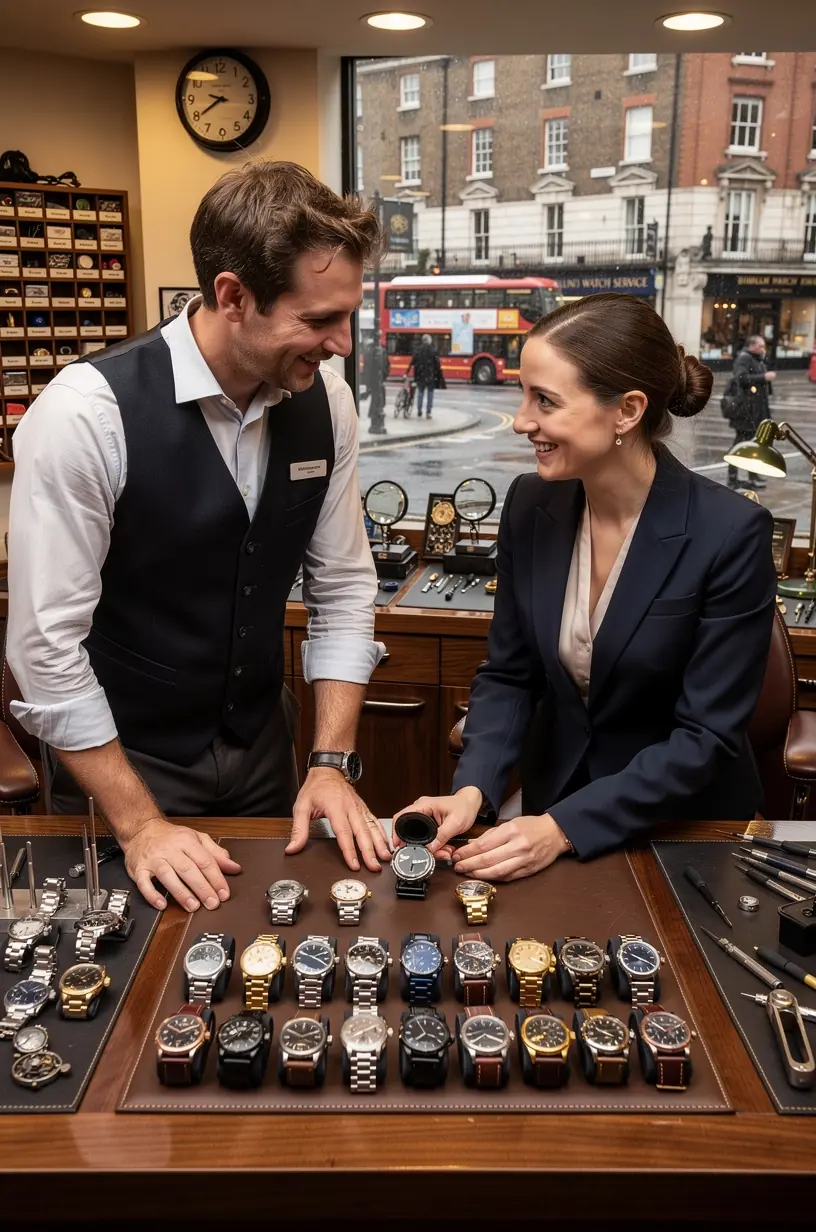
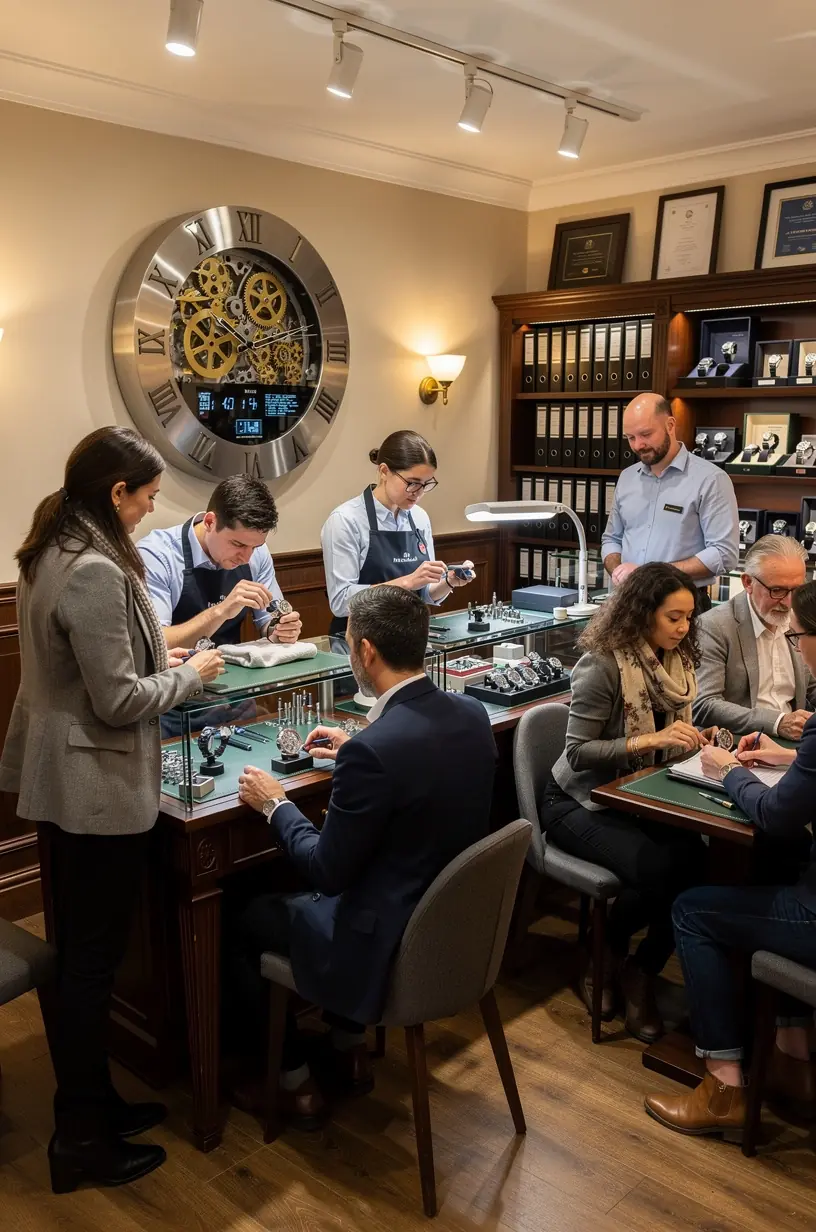
- Professional Evaluation: Having your watch evaluated by a certified watchmaker, such as those found in premium service centers, is often recommended. They can provide a thorough assessment and necessary servicing.
Importance of Regular Maintenance
Regular maintenance typically involves cleaning, oiling, and adjusting the watch mechanism. Research indicates that a well-maintained luxury watch can retain its value significantly better than an unmaintained one. Most experts suggest servicing your timepiece every 3-5 years, depending on usage and environmental exposure.
Conclusion
Understanding signs of wear in luxury timepieces is essential for preserving both their functionality and value. By conducting regular assessments and seeking professional maintenance when needed, you can extend the life of your watch significantly. Remember, proactive care is not just beneficial but necessary to ensure your luxury timepiece remains a treasured part of your collection.